Banner Design: Creating Visual Impact for Web Presence
In the digital age, a website's first impression often comes down to its banner design. A well-crafted banner can capture attention, convey brand identity, and guide user interaction. Whether you're launching a new website or redesigning an existing one, understanding the principles of effective banner design is essential for creating a compelling online presence.
At its core, banner design refers to the creation of visual elements that serve as the header or background of a webpage. These banners are typically placed at the top of a site and are used to highlight key messages, promote content, or reinforce brand messaging. With the right approach, banner design can transform a simple webpage into a visually engaging and functional space.
The Challenges of Effective Banner Design
Designing a successful banner involves more than just choosing an attractive image or color scheme. One of the primary challenges is balancing aesthetics with functionality. A banner must be visually appealing while also serving a clear purpose, such as directing users to important pages or communicating a brand's message.
Another challenge is ensuring that the banner works across different devices and screen sizes. Responsive design is crucial, as a banner that looks great on a desktop may not translate well to mobile or tablet views. This requires careful planning and testing to maintain consistency and usability.
Additionally, banner design must align with the overall branding of a website. Consistency in color, typography, and imagery helps reinforce brand recognition and create a cohesive user experience. Without this alignment, a banner can feel out of place and fail to resonate with the target audience.
How Banner Design Can Help Address Common Needs
For businesses and individuals looking to improve their online presence, banner design offers a powerful tool for communication and engagement. A well-designed banner can help achieve several goals, including:
- Increasing brand visibility: A consistent and memorable banner reinforces brand identity and makes a lasting impression on visitors.
- Guiding user navigation: Clear and intuitive banners can direct users to key sections of a website, improving the overall user experience.
- Highlighting promotions or calls to action: Banners can be used to showcase special offers, new products, or important announcements, driving traffic and engagement.
By addressing these needs, banner design becomes more than just a decorative element—it becomes a strategic component of a website's success.
Practical Applications of Banner Design
Whether you're designing a banner for a personal blog, an e-commerce site, or a corporate landing page, there are numerous practical applications of banner design. For example, an e-commerce business might use a banner to promote a seasonal sale, while a nonprofit organization could use it to raise awareness about a cause.
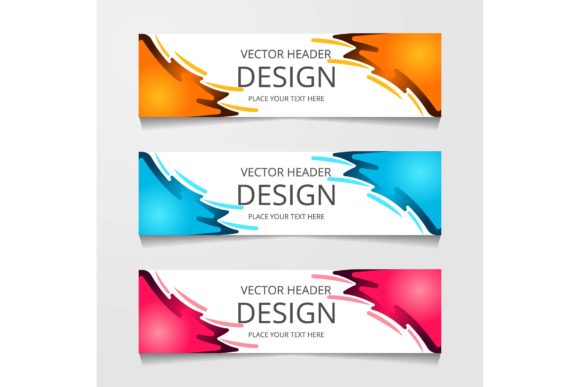
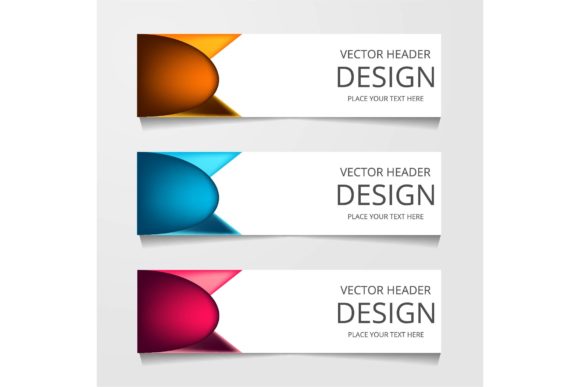
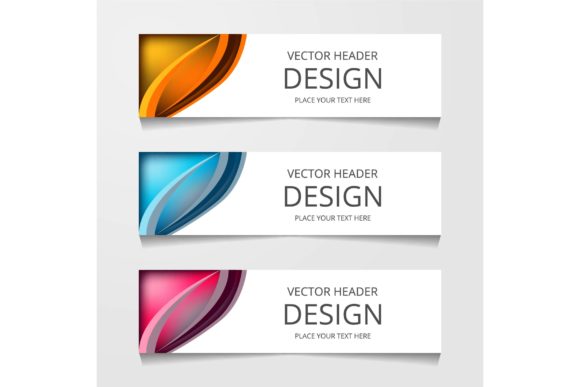
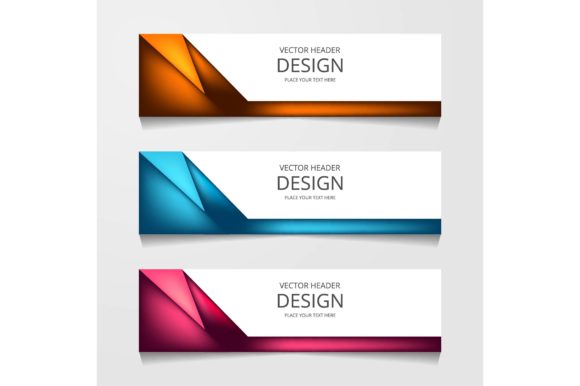
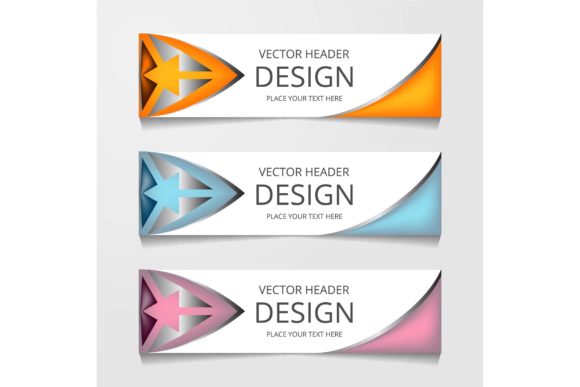
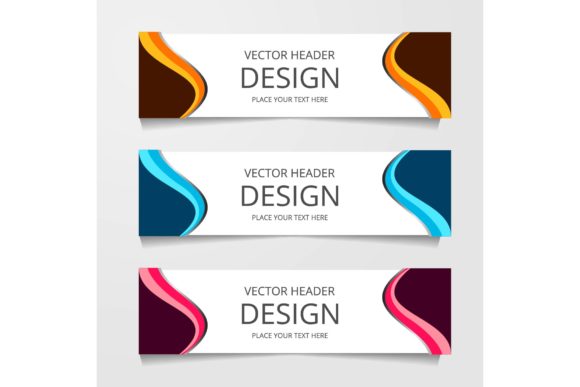
Abstract web banner design, in particular, offers a unique approach by focusing on shapes, colors, and patterns rather than literal imagery. This style can create a modern and sophisticated look that appeals to a wide range of audiences. Abstract banners are especially useful for tech startups, creative agencies, and other businesses looking to stand out in a competitive market.
When considering abstract web banner design, it's important to think about how the elements interact. A well-balanced composition can draw the eye and communicate a message without relying on text. This makes abstract banners ideal for minimalist websites or those targeting a more artistic audience.
Recommendations for Effective Banner Design
To create a successful banner design, consider the following recommendations:
- Define your purpose: Before starting the design process, clarify the goal of the banner. Is it to promote a product, share a message, or guide users? Knowing the purpose will help shape the design decisions.
- Choose a consistent style: Whether you opt for a traditional or abstract approach, ensure that the design aligns with your brand's visual identity. This includes using appropriate colors, fonts, and imagery.
- Optimize for performance: Large banner images can slow down a website, so it's important to keep file sizes manageable. Compressing images and using efficient formats like JPEG or PNG can help maintain speed without sacrificing quality.
- Test across devices: Ensure that the banner looks good on all screen sizes. Use responsive design techniques to adapt the layout and maintain readability and functionality.
By following these guidelines, you can create a banner that not only looks great but also performs well and meets the needs of your audience.
Considering Different Approaches to Banner Design
Users may approach banner design differently depending on their goals, resources, and technical expertise. For instance, a small business owner with limited design skills might use a pre-made template from a website builder, while a professional designer might create a custom banner from scratch.
Similarly, the choice between a traditional and abstract banner can depend on the brand's personality and target audience. A more conservative business might prefer a clean and straightforward design, while a creative agency might lean toward bold and innovative visuals.
Regardless of the approach, the key is to focus on the end goal—creating a banner that effectively communicates the intended message and enhances the user experience.