Decorative Elements for Blog Design
Decorative elements for blog design are a versatile tool that can elevate the visual appeal of any online space. These hand-drawn assets offer a unique, personalized touch that can make a blog stand out in a crowded digital landscape. Whether you're creating a logo, header, or post divider, these elements provide a creative foundation that can be adapted to fit a wide range of design needs.
Integrating decorative elements into your blog design process can streamline your workflow and add a level of craftsmanship that is difficult to achieve with generic templates. These assets are not just for aesthetics; they can also enhance user engagement by creating a more cohesive and visually pleasing experience.
Understanding Decorative Elements for Blog Design
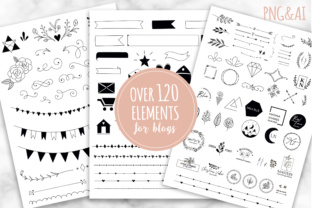
Decorative elements for blog design typically include a collection of hand-drawn illustrations, patterns, borders, and other graphical components. These assets are often provided in multiple formats, such as AI (Adobe Illustrator) and PNG files, ensuring compatibility with various design software and platforms. The transparent background of each element makes it easy to integrate them into different design contexts without disrupting the overall layout.
The versatility of these elements means they can be used at multiple stages of the design process. Before starting a project, they can inspire ideas and set a visual direction. During the execution phase, they can serve as building blocks for layouts, headers, and other design components. After the project is complete, they can be revisited for updates, revisions, or new creative endeavors.
How to Use Decorative Elements in Your Workflow
One of the most effective ways to use decorative elements is during the planning stage of a blog design. By browsing through the collection, you can identify motifs or styles that align with your brand identity or the theme of your content. This early integration helps ensure consistency throughout the design and reduces the need for last-minute adjustments.
During the actual design process, these elements can be layered over text, backgrounds, or other design components to add depth and interest. For example, a hand-drawn border can frame a section of your blog, while a custom icon can highlight key points in a post. The ability to adjust the size, color, and placement of these elements allows for precise control over the final outcome.
After the initial design is complete, decorative elements can be used to refresh or update your blog. As your brand evolves, you can incorporate new elements or modify existing ones to reflect changes in tone, style, or messaging. This adaptability ensures that your blog remains visually engaging and relevant over time.
Integration with Other Design Tools and Resources
Decorative elements for blog design work well with other design tools and resources, such as graphic editors, content management systems, and typography kits. When paired with a strong typographic foundation, these elements can create a balanced and professional look. They can also complement other visual assets, such as photographs, icons, and infographics, to create a unified design language.
For users who work with design platforms like Canva, Adobe Spark, or Figma, these elements can be easily imported and customized. Their vector format (AI files) allows for scalability without loss of quality, making them ideal for both web and print applications. PNG files, on the other hand, are perfect for quick uploads and direct use in web-based projects.
Practical Implementation Tips
To get the most out of your decorative elements, start by organizing them in a way that suits your workflow. Create folders based on themes, colors, or usage scenarios to make them easier to locate when needed. This organization can save time and reduce frustration, especially when working on multiple projects simultaneously.
When selecting elements for a specific task, consider the context in which they will be used. A bold, intricate design might be suitable for a header but could overwhelm a small icon. Experiment with different combinations to find what works best for your design goals. Don’t hesitate to adjust the elements—resizing, recoloring, or combining them with other assets can yield unexpected and compelling results.
Another useful practice is to maintain a consistent style across all elements. If your blog has a minimalist aesthetic, choose elements that match that tone. If your brand is more vibrant or eclectic, embrace the diversity of the collection. Consistency helps reinforce brand identity and improves the overall user experience.
Factors to Consider for Long-Term Use
When using decorative elements for blog design, it’s important to consider their long-term viability. Choose elements that are timeless rather than trendy, as trends can quickly become outdated. This approach ensures that your blog maintains a fresh and professional appearance over time.
Additionally, think about how these elements will perform across different devices and screen sizes. Elements that look great on a desktop may not scale well on a mobile device. Testing your designs on multiple platforms can help identify potential issues and ensure a seamless experience for all users.
Finally, keep an eye on file quality and compatibility. Regularly back up your design assets and ensure that they are stored in accessible locations. This proactive approach can prevent data loss and make it easier to retrieve elements when needed.
Expanding the Use of Decorative Elements
Beyond blog design, these hand-drawn elements can be applied to a variety of creative projects. They can be used in social media graphics, email newsletters, presentations, and even physical materials like business cards or posters. Their flexibility makes them a valuable addition to any designer’s toolkit.
For entrepreneurs and small business owners, these elements can help establish a unique brand presence without the need for expensive custom illustrations. They offer a cost-effective way to create high-quality visuals that reflect the personality and values of the business.
Freelancers and creatives can also benefit from these elements by using them as part of their portfolio or client proposals. Including hand-drawn decorative elements in a project can demonstrate attention to detail and a commitment to quality, which can set them apart from competitors.