Doodle Digital Elements: A Creative Workflow Resource for Designers and Beyond
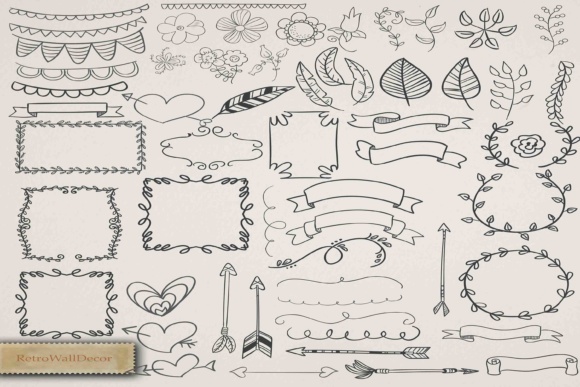
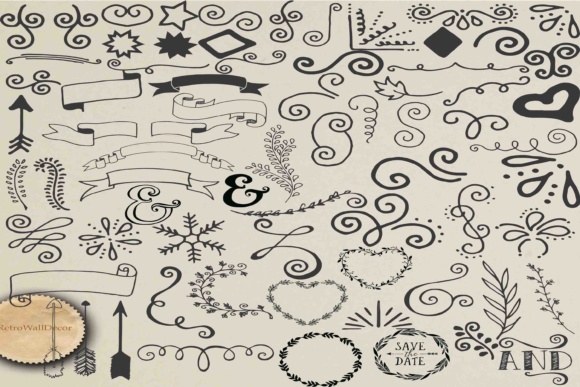
For professionals and creatives seeking to enhance their visual projects, Doodle Digital Elements offers a versatile collection of 71 hand-drawn digital clip art designs. These elements serve as a valuable addition to any graphic design workflow, providing flexibility for use across web and print mediums. Each design is delivered as a separate PNG file with a transparent background, ensuring compatibility with a wide range of image editing software and design platforms.
Understanding the Role of Doodle Digital Elements in Creative Workflows
Doodle Digital Elements fits naturally into various stages of a creative project. Whether you're planning a design concept, executing a layout, or refining a final output, these elements can streamline your process. Their hand-drawn aesthetic adds a personal touch that complements both modern and traditional design styles.
Before starting a project, these doodle elements can inspire ideas or help visualize concepts. During the execution phase, they can be used as decorative accents, separators, or thematic components. After completing a task, they may serve as reusable assets for future work, reducing the need to recreate similar graphics from scratch.
Integration with Other Tools and Resources
The versatility of Doodle Digital Elements makes it compatible with many design tools and platforms. Whether you're using Adobe Photoshop, Illustrator, Canva, or other graphic design software, these PNG files can be easily imported and manipulated. The transparent background ensures that each element blends seamlessly into your existing compositions without requiring additional editing.
These elements also work well alongside other design assets such as fonts, stock images, and illustrations. For instance, a designer working on a wedding-themed project might combine Doodle Digital Elements with floral illustrations and elegant typography to create a cohesive visual identity. Similarly, a blogger preparing a social media post could layer doodles over a photo to add a custom, handcrafted feel.
Practical Implementation Tips
To make the most of Doodle Digital Elements, consider organizing them in a dedicated folder or asset library. This helps maintain efficiency when searching for specific designs during a project. You can also categorize them based on themes, such as weddings, birthdays, or general decorative elements, to streamline access.
When using these elements in a design, pay attention to scale and placement. Since each element has a different size, adjusting them proportionally ensures they fit harmoniously within your composition. Additionally, experimenting with color overlays or filters can give them a fresh look while maintaining their original style.
Use Cases Across Industries and Projects
Doodle Digital Elements are suitable for a wide range of applications. For example, photographers might use them to create custom watermarks or promotional materials. Scrapbookers can incorporate them into layouts for a personalized touch. Educators and trainers may find them useful for creating engaging presentations or worksheets.
Entrepreneurs and small business owners can leverage these elements to enhance branding materials, such as logos, packaging, or marketing collateral. Their high-quality resolution (8–300 ppi) ensures clarity whether used digitally or printed physically, making them ideal for both online and offline projects.
Workflow Examples and Observations
Consider a scenario where a graphic designer is tasked with creating a set of social media templates for a wedding planner. By integrating Doodle Digital Elements, they can quickly add unique, hand-drawn accents that reflect the client's brand personality. This approach saves time compared to designing custom graphics from scratch while maintaining a professional appearance.
Another example involves a content creator preparing a blog post about travel. They might use doodle elements to illustrate key points, such as maps, luggage, or destinations, adding visual interest without overwhelming the reader. This method enhances the overall user experience by breaking up text and guiding the eye through the content.
Factors to Consider for Long-Term Use
When incorporating Doodle Digital Elements into your workflow, consider factors such as preparation, usability, and consistency. Preparing a clear naming convention for your files ensures easy retrieval later. Usability is enhanced by maintaining a clean workspace and regularly updating your asset library.
Consistency in design is important when using multiple elements. While each doodle is unique, selecting a cohesive set that aligns with your project's theme helps maintain visual harmony. Quality control is also essential—ensuring that all elements are properly formatted and free of errors before use.
Enhancing Productivity and Creativity
By leveraging Doodle Digital Elements, designers and creators can boost productivity without sacrificing creativity. These assets provide a foundation for quick experimentation, allowing users to test different layouts, color schemes, or compositions efficiently. This flexibility supports iterative design processes, where refinement and adjustment are part of the workflow.
Moreover, the availability of instant downloads means users can start working immediately without delays. This feature is particularly beneficial for those with tight deadlines or who need to respond to last-minute requests. The ability to access and use these elements quickly contributes to a more agile and responsive workflow.
Conclusion: A Valuable Addition to Any Designer’s Toolkit
Doodle Digital Elements offer a practical solution for enhancing visual projects with hand-drawn aesthetics. Their high-quality format, ease of use, and broad applicability make them a valuable resource for professionals and hobbyists alike. By integrating these elements into your workflow, you can achieve greater efficiency, creativity, and consistency in your design outputs.