Honey Gradients: A Creative Resource for Designers, Marketers, and Everyday Users
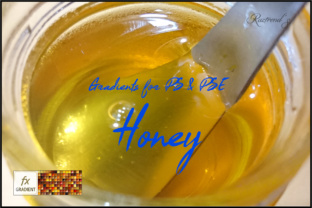
Whether you're a designer working on a branding project, a marketer looking to stand out in a crowded space, or a hobbyist experimenting with digital art, Honey Gradients offers a unique and versatile resource. These gradients are inspired by the natural hues of honey from around the world, blending warmth, richness, and authenticity into a set of 144 distinct color transitions. From golden amber to deep amber-brown, each gradient tells a story of its origin and can be used across a wide range of creative and practical applications.
The package includes .grd files compatible with Adobe Photoshop and Photoshop Elements, along with preview .jpeg images and detailed instructions for both software versions. It also comes with a list of all the gradients in a .txt file, making it easy to reference and organize your collection.
Why Honey Gradients Matter in Creative Work
Design trends often shift, but warm, natural tones tend to remain relevant. Honey Gradients offer a fresh take on these colors, drawing from real-world sources rather than generic color palettes. This makes them ideal for projects that aim to evoke feelings of comfort, trust, and authenticity—qualities that resonate strongly with audiences.
Imagine you're designing a website for a local honey farm. Using a gradient inspired by the golden hues of raw honey can instantly connect visitors to the product's natural origins. Or if you're creating a social media campaign for a wellness brand, a gradient based on dark buckwheat honey could add depth and sophistication to your visuals.
Real-World Use Cases for Honey Gradients
For web designers, Honey Gradients can be used to create visually appealing backgrounds, buttons, and icons. The soft transitions between warm tones can make a site feel more inviting and cohesive. For example, a gradient from light amber to deep caramel might work well as a background for a blog post about sustainable living, reinforcing the theme with a natural, earthy feel.
Graphic designers working on product packaging can use these gradients to add visual interest without overwhelming the design. A gradient based on clover honey might be perfect for a line of organic skincare products, subtly tying the brand’s message to nature and purity.
Marketers can leverage Honey Gradients in email newsletters, ads, and promotional materials. A gradient that mimics the color of wildflower honey could be used as a background for a seasonal promotion, adding a touch of warmth and appeal that stands out in a sea of standard color schemes.
How Different Users Can Benefit
Entrepreneurs launching a new product or service can use Honey Gradients to create a strong visual identity. Whether it's a food brand, a lifestyle business, or an online store, the right gradient can help differentiate their offering and build a memorable brand image.
Freelancers and small business owners who don’t have access to premium design tools can still benefit from this resource. With the .grd files compatible with Adobe Photoshop Elements, they can apply professional-grade gradients without needing the full version of the software. This makes it a cost-effective solution for those on a budget.
Students and educators in design or marketing courses can use Honey Gradients as a learning tool. By experimenting with different gradients, they can understand how color affects mood, perception, and branding. It also provides a practical way to explore real-world applications of design principles.
What to Consider Before Using Honey Gradients
Before diving into a project, it's important to consider the context in which the gradient will be used. For instance, a gradient that works well on a website might not translate as effectively to print materials. Testing the gradient in different formats and environments is key to ensuring it meets your needs.
Users should also think about accessibility. While Honey Gradients are beautiful, they need to maintain sufficient contrast when used in text or UI elements. Tools like color contrast checkers can help ensure that the gradients are both aesthetically pleasing and functional.
Finally, understanding the source of each gradient can add value to your work. Knowing that a particular gradient is inspired by a specific type of honey can help you tell a more compelling story through your designs. This level of detail can be especially useful in branding or storytelling projects.
Where to Apply Honey Gradients
Honey Gradients aren't limited to digital design. They can also be used in physical projects such as signage, merchandise, and even home decor. A gradient inspired by acacia honey could be used to create a custom mural or a printed t-shirt that reflects a natural, organic aesthetic.
In commercial settings, these gradients can enhance everything from storefront displays to corporate presentations. A subtle gradient background can make a presentation feel more polished and professional, while still maintaining a sense of warmth and approachability.
For personal projects, such as journaling, scrapbooking, or DIY crafts, Honey Gradients offer a way to add a unique touch to handmade items. Whether you're creating a custom greeting card or a personalized planner, the right gradient can elevate the overall look and feel of your creation.
Final Thoughts on Honey Gradients
Honey Gradients provide more than just a set of color transitions—they offer a connection to the natural world and a way to bring warmth and authenticity into creative work. Whether you're a seasoned designer or a beginner exploring digital tools, these gradients can inspire new ideas and add depth to your projects.
By understanding the potential applications and considering the right context, users can make the most of this resource. With 144 gradients to choose from, there's something for every style, purpose, and creative vision. Whether you're designing a website, launching a product, or simply experimenting with color, Honey Gradients can be a valuable addition to your toolkit.